

Real Property Kerikeri
A team you know, experience you trust.

A business built on genuine care
Founded in 2004, REAL Property Kerikeri has gained a reputation for outstanding results over the last 20 years. As market leaders in the area, the key to our success is a combination of genuine care, professional integrity, in-depth local knowledge and a highly personalised approach that delivers the best outcomes for clients.
You can be sure that the care for our clients is always at the centre of everything we do, because real estate is about people as much as places. Whether you’re looking to buy or sell property in the Kerikeri area, you’ll notice the ‘Real’ difference immediately. Each client benefits from the expertise and contacts of our entire team of specialised local agents, working together to achieve the best result. It’s more than our job, it’s our passion, and we take pride in delivering exceptional service that goes above and beyond.
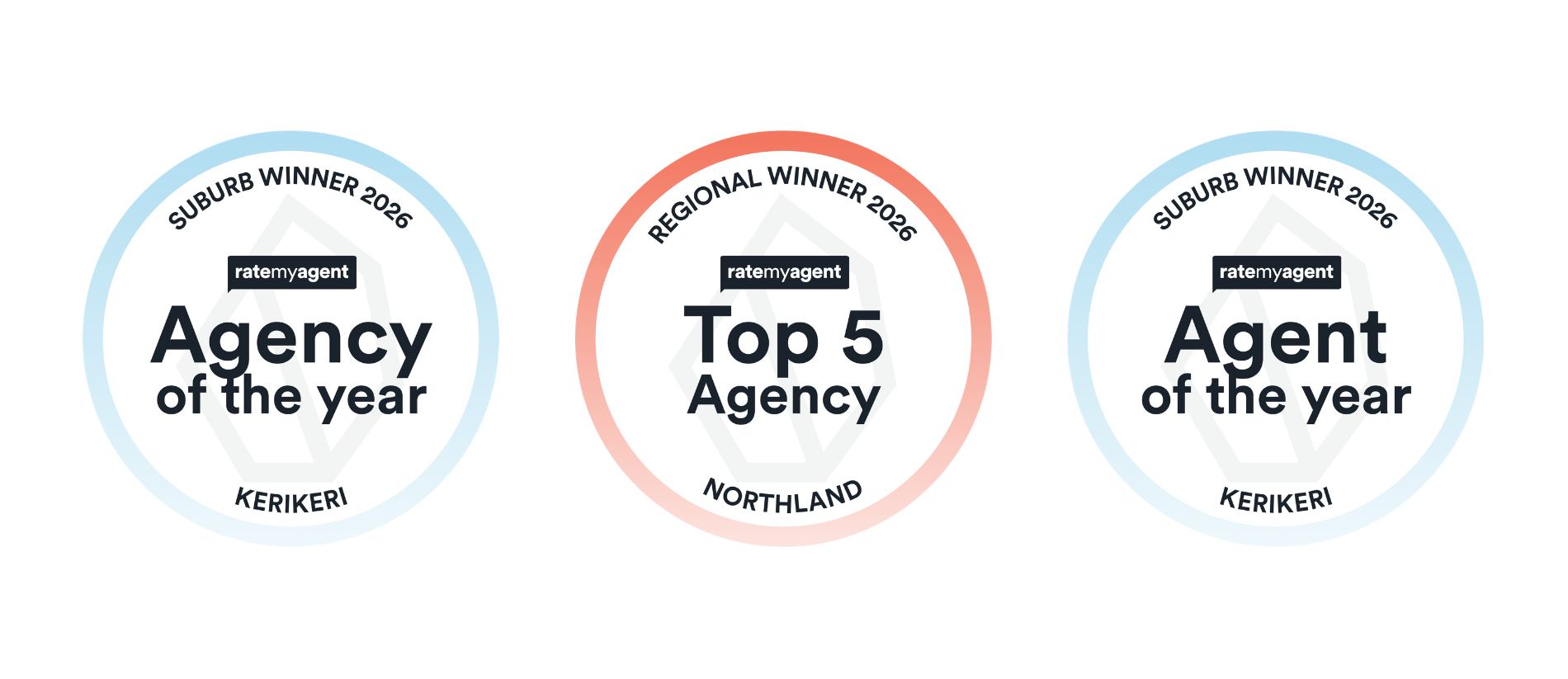
2026 Rate My Agent Award Winners
Properties we think you'll love


Meet your Team
As the trusted advisors for hundreds of repeat customers over the years, we have built a community based on long-lasting relationships. Talk to our friendly, professional team for no-obligation advice about your property interests today.

Owner / Licensee

Owner / Business Development

Sales Consultant

Sales Consultant

Sales Consultant

Sales Consultant

Sales Consultant

Sales Consultant

Sales Consultant

Marketing and Creative

Contract Management and Account Administration

Receptionist and Customer Relations Administrator

Lead Generation Specialist
What Our Customers Say
Great help
Very responsive, clear and helpful with our questions.
Fantastic experience with Terri at Real
We had such a great experience buying our home through Terri. She was super helpful, knowledgeable about the property, and always quick to respond to any calls or emails. She made the whole process feel easy and was absolutely lovely to deal with from start to finish. We really appreciated all her help and would happily recommend her to anyone looking to buy a home. Thank you for making the experience such a positive one, Terri! ❤️
A pleasure to deal with
Grant was very responsive and kept us informed. He was always professional and we would highly recommend his services.

Finding a new home in Kerikeri
Jenny found the Real Kerikeri Team a delight to work with when looking for a new home from outside of town.
Latest News
Stay up to date with our latest market updates and property news

Spring is in the Air – What's Happening Around Kerikeri?
After a long, wet winter, spring is finally here — and there's plenty happening around Kerikeri and the wider Bay of Islands over the next few months. The Turner Centre has a particularly busy programme. September brings the Far North Short Film Evening, the Korimako Trio, Australian singer-songwriter Rowena Wise, family magic show Abracadabra and Warewaretia. October keeps things moving with comedian James Nokise, John Rae's Celtic Roots, children's school-holiday shows and workshops, African rhythms from Ozi Ozaa, a Creedence Clearwater tribute and the Kerikeri Theatre Company's ever-popular Rocky Horror Show. November brings the Sweet Caroline Neil Diamond tribute and plenty more. Spring is also a great time to get out and explore the wider Bay. Tai Kōtuku Waka Ama brings regional racing to Paihia Beach on 12 September, while Kerikeri has some interesting literary events later in the month, including a memoir-writing workshop and an afternoon with acclaimed New Zealand writers Elizabeth Knox and Lynn Jenner. Labour Weekend gives us another reason to get out and about. Creative Discoveries will showcase artists and creative spaces around Kerikeri and Northland, while the Forest Healing Festival returns to Earth Village in Kerikeri from 23–26 October with four days centred around nature, music, movement and connection. And for the gardeners, one of Kerikeri's favourite spring traditions returns on 31 October and 1 November with the Kerikeri Rotary Garden Safari — a chance to wander through some wonderful local gardens that aren't normally open to the public. Add our weekend markets, cafés, wineries, walks and the simple pleasure of longer evenings, and there are plenty of reasons to get out and enjoy our part of the world this spring. After winter, we're certainly ready for it!...

Market Update September 2026
As we head into spring, the property market is still very much in favour of buyers, but we are starting to see a few positive signs that confidence is coming back. There is still plenty of choice out there, buyers are taking their time and nobody is expecting another property boom anytime soon. But people do seem to be feeling a little more comfortable about making decisions again, and that is a good thing. Nationally, most forecasts are suggesting property values will stay fairly steady through the rest of 2026, with some modest growth expected next year. Here in Kerikeri, things have actually been pretty steady. To the end of August, there have been 162 residential sales, which is almost exactly the same as this time last year. We have also seen 272 new listings come onto the market, so buyers certainly haven’t been short of options. The busiest part of the market continues to be under $1 million, with around 63% of house sales this year falling into that price range. One thing we have noticed recently is a bit more interest in sections. Land sales have been fairly quiet for a long time, but we are now seeing builders starting to secure sections and look at building new homes for buyers. It is still early days, but it is encouraging to see some life returning to that part of the market. At REAL, we have also had a strong year so far. Our team has been involved in around one-third of all new Kerikeri listings this year, and spring has started well with a good number of new properties coming to market. So what does all this mean? For buyers, there is still plenty of choice and time to make good decisions. Finance is available, first-home buyers are active and there are some very good opportunities out there if you are ready to move. For sellers, the market is rewarding properties that are well presented, well priced and marketed properly. Buyers are doing their homework, and if they feel a property is overpriced, they are usually happy to move on to the next one. That is why getting the basics right from day one is so important. Our team has more than 100 years of combined real estate experience, but just as importantly, we work together. We share buyer feedback, information and opportunities across the whole team rather than working in isolation. In a market like this, that matters. If you are thinking about selling, buying, or just want a straight conversation about what is happening in Kerikeri, feel free to give us a call or drop in for a coffee. A team you know, experience you trust. ...

Don’t Let the Noise Decide Your Future
We have experienced a relatively steady business environment, and despite some challenging economic conditions, we continue to hold our own. But there is no question the world around us feels unsettled. We are seeing rapid advances in AI technology, ongoing conflict in Iran, high petrol prices, inflation remaining at the higher end, and a New Zealand election approaching in November. There is plenty of noise. And while we need to be aware of what is happening around us, we don’t have to allow it to control our attitude, our decisions or our desire to move forward. Your state of mind influences the story you tell yourself. And the story you tell yourself influences the strategy you choose. When we spend too much time focusing on things outside our control, it is very easy to convince ourselves that now isn't the right time. Maybe interest rates need to move. Maybe petrol needs to come down. Maybe we need to see what happens with the election. Maybe the international situation needs to settle. Maybe the property market needs to improve. The problem is, there will always be another reason to wait. The outside world has always been noisy. Waiting for everything to perfectly align before making an important life decision is a little like waiting for the winning Lotto ticket. Instead, focus on what you can control. What are your goals? Where do you want to be in twelve months, three years or five years? Is your current home still right for you? Are you ready to downsize, upsize or make that lifestyle change you have been talking about? Are you a first-home buyer who has spent the last two years waiting for someone to announce that the “perfect time” has finally arrived? Perhaps the more important question is: Is the time right for you? Because if it is, you don't need everything else in the world to be fixed before you move forward. You need good information, a sensible plan, realistic expectations and the right people around you. We are already seeing people quietly getting on with their lives. First-home buyers are purchasing. Families are moving. People are downsizing. Others are taking opportunities that simply didn't exist when the market was running hot. They aren't ignoring what is happening in the world. They are simply refusing to let things outside their control make every decision for them. There is an important difference. As we head towards the final months of 2026, perhaps it is worth making some time to sit down and set your own goals. Forget the headlines for a moment. Where do you want to be? Then work backwards and identify the steps you can take today to start moving towards it. You may discover that conditions aren't perfect. They rarely are. But you may also discover that the opportunity in front of you is considerably better than all the noise made you believe. Control what you can control. Get the right advice. Make a plan. And when the time is right for you, move forward. That is how progress happens....
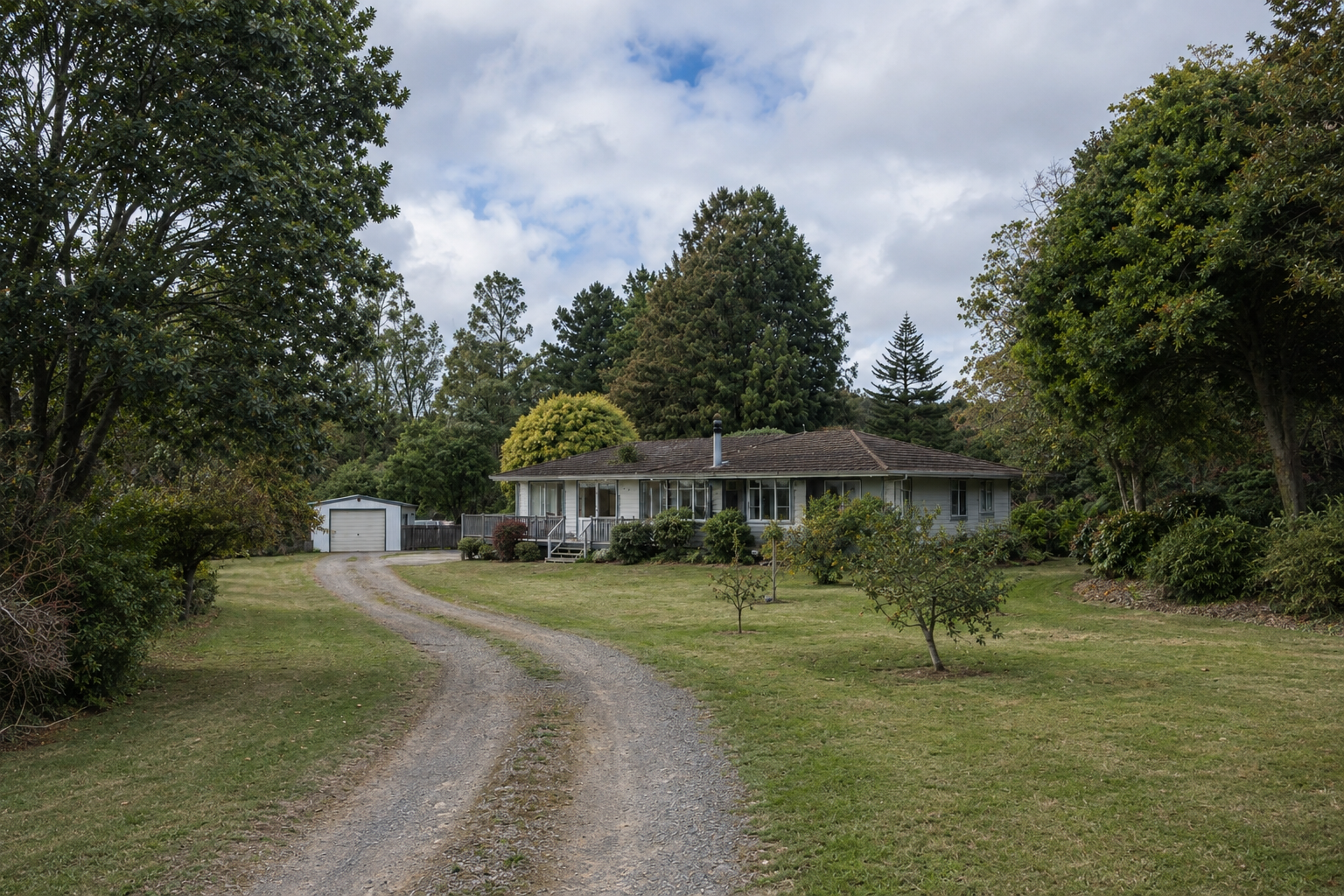
Could the Property Everyone Else Walks Past Be the Best Opportunity?
Have you ever looked at a property online or driven past it and dismissed it almost immediately? Perhaps it looked too old. The layout felt awkward. It had been sitting on the market for months. Maybe it was being used for something that no longer seemed to fit the area. Most buyers and investors move on without giving it another thought. After more than 20 years in real estate, we've learnt that some of the best opportunities are often hidden behind first impressions. A property only becomes "obsolete" if we assume it must continue doing what it was originally built to do. In reality, buildings evolve just as communities do. The structure, location, access, land, and zoning remain. What often changes is how those assets can best be used. Looking Beyond Today's Use Every suburb, town and community changes over time. Population growth, lifestyle trends, council planning, business activity and buyer demand all influence how property is used. A building that no longer suits yesterday's purpose may be perfectly positioned for tomorrow's. That doesn't mean every tired-looking property is a hidden gem. Far from it. But it does mean it's worth asking a few more questions before crossing it off your list. Three Questions Worth Asking When you come across a property that others seem to overlook, consider these questions: What was this property originally designed for, and is there still demand for that use? Sometimes the market has simply moved on. What does this neighbourhood need today? Is there a shortage of professional offices, medical services, childcare, storage, smaller homes, lifestyle accommodation, or something else the community is actively looking for? Could the property be repositioned without major construction? Often the answer isn't a large renovation. It may simply involve a different tenant, a different use, or making better use of existing features. In many cases, adding value isn't about spending hundreds of thousands of dollars. It's about seeing possibilities that others haven't recognised. Value Isn't Always Created With a Hammer Over the years we've seen land transformed simply because its best use changed. We've also seen commercial buildings become highly successful after attracting a different type of business, without significant structural alterations. Sometimes the biggest opportunity lies in understanding planning rules, zoning, future growth, or changing market demand rather than expensive redevelopment. That's why experience, local knowledge and strategic thinking are often just as valuable as bricks and mortar. A Different Way of Looking at Property The next time you find yourself saying, "This one isn't for me," pause for a moment. Ask yourself whether you're judging the property for what it is today—or for what it could become tomorrow. Some properties will always be limited. Others simply need someone prepared to look beyond their current condition and recognise their future potential. At REAL, we believe property is about more than what you see today. It's about understanding where the market is heading, recognising opportunities others may overlook, and helping people make informed decisions with confidence. Sometimes the best investment isn't the obvious one. It's the one that requires a different way of thinking....
Spring is in the Air – What's Happening Around Kerikeri?
After a long, wet winter, spring is finally here — and there's plenty happening around Kerikeri and the wider Bay of Islands over the next few months. The Turner Centre has a particularly busy programme. September brings the Far North Short Film Evening, the Korimako Trio, Australian singer-songwriter Rowena Wise, family magic show Abracadabra and Warewaretia. October keeps things moving with comedian James Nokise, John Rae's Celtic Roots, children's school-holiday shows and workshops, African rhythms from Ozi Ozaa, a Creedence Clearwater tribute and the Kerikeri Theatre Company's ever-popular Rocky Horror Show. November brings the Sweet Caroline Neil Diamond tribute and plenty more. Spring is also a great time to get out and explore the wider Bay. Tai Kōtuku Waka Ama brings regional racing to Paihia Beach on 12 September, while Kerikeri has some interesting literary events later in the month, including a memoir-writing workshop and an afternoon with acclaimed New Zealand writers Elizabeth Knox and Lynn Jenner. Labour Weekend gives us another reason to get out and about. Creative Discoveries will showcase artists and creative spaces around Kerikeri and Northland, while the Forest Healing Festival returns to Earth Village in Kerikeri from 23–26 October with four days centred around nature, music, movement and connection. And for the gardeners, one of Kerikeri's favourite spring traditions returns on 31 October and 1 November with the Kerikeri Rotary Garden Safari — a chance to wander through some wonderful local gardens that aren't normally open to the public. Add our weekend markets, cafés, wineries, walks and the simple pleasure of longer evenings, and there are plenty of reasons to get out and enjoy our part of the world this spring. After winter, we're certainly ready for it!...
Market Update September 2026
As we head into spring, the property market is still very much in favour of buyers, but we are starting to see a few positive signs that confidence is coming back. There is still plenty of choice out there, buyers are taking their time and nobody is expecting another property boom anytime soon. But people do seem to be feeling a little more comfortable about making decisions again, and that is a good thing. Nationally, most forecasts are suggesting property values will stay fairly steady through the rest of 2026, with some modest growth expected next year. Here in Kerikeri, things have actually been pretty steady. To the end of August, there have been 162 residential sales, which is almost exactly the same as this time last year. We have also seen 272 new listings come onto the market, so buyers certainly haven’t been short of options. The busiest part of the market continues to be under $1 million, with around 63% of house sales this year falling into that price range. One thing we have noticed recently is a bit more interest in sections. Land sales have been fairly quiet for a long time, but we are now seeing builders starting to secure sections and look at building new homes for buyers. It is still early days, but it is encouraging to see some life returning to that part of the market. At REAL, we have also had a strong year so far. Our team has been involved in around one-third of all new Kerikeri listings this year, and spring has started well with a good number of new properties coming to market. So what does all this mean? For buyers, there is still plenty of choice and time to make good decisions. Finance is available, first-home buyers are active and there are some very good opportunities out there if you are ready to move. For sellers, the market is rewarding properties that are well presented, well priced and marketed properly. Buyers are doing their homework, and if they feel a property is overpriced, they are usually happy to move on to the next one. That is why getting the basics right from day one is so important. Our team has more than 100 years of combined real estate experience, but just as importantly, we work together. We share buyer feedback, information and opportunities across the whole team rather than working in isolation. In a market like this, that matters. If you are thinking about selling, buying, or just want a straight conversation about what is happening in Kerikeri, feel free to give us a call or drop in for a coffee. A team you know, experience you trust. ...
Don’t Let the Noise Decide Your Future
We have experienced a relatively steady business environment, and despite some challenging economic conditions, we continue to hold our own. But there is no question the world around us feels unsettled. We are seeing rapid advances in AI technology, ongoing conflict in Iran, high petrol prices, inflation remaining at the higher end, and a New Zealand election approaching in November. There is plenty of noise. And while we need to be aware of what is happening around us, we don’t have to allow it to control our attitude, our decisions or our desire to move forward. Your state of mind influences the story you tell yourself. And the story you tell yourself influences the strategy you choose. When we spend too much time focusing on things outside our control, it is very easy to convince ourselves that now isn't the right time. Maybe interest rates need to move. Maybe petrol needs to come down. Maybe we need to see what happens with the election. Maybe the international situation needs to settle. Maybe the property market needs to improve. The problem is, there will always be another reason to wait. The outside world has always been noisy. Waiting for everything to perfectly align before making an important life decision is a little like waiting for the winning Lotto ticket. Instead, focus on what you can control. What are your goals? Where do you want to be in twelve months, three years or five years? Is your current home still right for you? Are you ready to downsize, upsize or make that lifestyle change you have been talking about? Are you a first-home buyer who has spent the last two years waiting for someone to announce that the “perfect time” has finally arrived? Perhaps the more important question is: Is the time right for you? Because if it is, you don't need everything else in the world to be fixed before you move forward. You need good information, a sensible plan, realistic expectations and the right people around you. We are already seeing people quietly getting on with their lives. First-home buyers are purchasing. Families are moving. People are downsizing. Others are taking opportunities that simply didn't exist when the market was running hot. They aren't ignoring what is happening in the world. They are simply refusing to let things outside their control make every decision for them. There is an important difference. As we head towards the final months of 2026, perhaps it is worth making some time to sit down and set your own goals. Forget the headlines for a moment. Where do you want to be? Then work backwards and identify the steps you can take today to start moving towards it. You may discover that conditions aren't perfect. They rarely are. But you may also discover that the opportunity in front of you is considerably better than all the noise made you believe. Control what you can control. Get the right advice. Make a plan. And when the time is right for you, move forward. That is how progress happens....
Could the Property Everyone Else Walks Past Be the Best Opportunity?
Have you ever looked at a property online or driven past it and dismissed it almost immediately? Perhaps it looked too old. The layout felt awkward. It had been sitting on the market for months. Maybe it was being used for something that no longer seemed to fit the area. Most buyers and investors move on without giving it another thought. After more than 20 years in real estate, we've learnt that some of the best opportunities are often hidden behind first impressions. A property only becomes "obsolete" if we assume it must continue doing what it was originally built to do. In reality, buildings evolve just as communities do. The structure, location, access, land, and zoning remain. What often changes is how those assets can best be used. Looking Beyond Today's Use Every suburb, town and community changes over time. Population growth, lifestyle trends, council planning, business activity and buyer demand all influence how property is used. A building that no longer suits yesterday's purpose may be perfectly positioned for tomorrow's. That doesn't mean every tired-looking property is a hidden gem. Far from it. But it does mean it's worth asking a few more questions before crossing it off your list. Three Questions Worth Asking When you come across a property that others seem to overlook, consider these questions: What was this property originally designed for, and is there still demand for that use? Sometimes the market has simply moved on. What does this neighbourhood need today? Is there a shortage of professional offices, medical services, childcare, storage, smaller homes, lifestyle accommodation, or something else the community is actively looking for? Could the property be repositioned without major construction? Often the answer isn't a large renovation. It may simply involve a different tenant, a different use, or making better use of existing features. In many cases, adding value isn't about spending hundreds of thousands of dollars. It's about seeing possibilities that others haven't recognised. Value Isn't Always Created With a Hammer Over the years we've seen land transformed simply because its best use changed. We've also seen commercial buildings become highly successful after attracting a different type of business, without significant structural alterations. Sometimes the biggest opportunity lies in understanding planning rules, zoning, future growth, or changing market demand rather than expensive redevelopment. That's why experience, local knowledge and strategic thinking are often just as valuable as bricks and mortar. A Different Way of Looking at Property The next time you find yourself saying, "This one isn't for me," pause for a moment. Ask yourself whether you're judging the property for what it is today—or for what it could become tomorrow. Some properties will always be limited. Others simply need someone prepared to look beyond their current condition and recognise their future potential. At REAL, we believe property is about more than what you see today. It's about understanding where the market is heading, recognising opportunities others may overlook, and helping people make informed decisions with confidence. Sometimes the best investment isn't the obvious one. It's the one that requires a different way of thinking....

Caring for our community
We are passionate about our local community and support a number of select causes that deeply care about Kerikeri and its people.